
Aging well at home is about more than receiving help with daily tasks; it’s about living your life to its fullest as you age. Eden in-home care for older adults starts with a simple truth: people need more than assistance to live meaningful lives; they need connection, purpose, choice, and opportunities. At Rhythms Home Care, the Eden at Home philosophy helps guide how care can support the whole person, not simply complete a list of tasks.
Rather than treating an older adult as a recipient of services, this approach recognizes their strengths, preferences, relationships, routines, and personal goals. The Eden Alternative identifies three common challenges or plagues of aging: loneliness, helplessness, and boredom; and focuses on practical ways to address each one. When brought into the home, these principles can help older adults remain connected to the people, activities, and choices that give their lives meaning.

What Is Eden At Home And How Does It Support Older Adults?
Eden at Home adapts the philosophy of The Eden Alternative for home and community-based care. The Eden Alternative is person-directed care, meaning care that respects an individual’s right to make choices and actively participate in decisions about their life and well-being. Eden at Home is not simply a checklist or a rigid care program.
Instead, it provides a philosophy for changing how people think about aging and caregiving. That distinction matters, because home is where identity, memories, routines, relationships, and personal meaning often come together. Eden in home care for older adults protects those elements by putting the person before the task.
For Rhythms Home Care, applying the Eden at Home philosophy means asking questions such as:
- What matters most to this person?
- What choices can they continue to make?
- What relationships bring them joy?
- What activities give them a sense of purpose?
- How can a care partner support independence rather than unintentionally take it away?
The goal is not simply to make daily life easier. It is to help make daily life worth living.

How Does Eden In-Home Care For Older Adults Address Loneliness, Helplessness, And Boredom?
The Eden Alternative calls loneliness, helplessness, and boredom the three plagues of aging. Its approach focuses on practical ways to combat each one: companionship, purpose, and variety and spontaneity.
Companionship Helps Older Adults Build Meaningful Connections
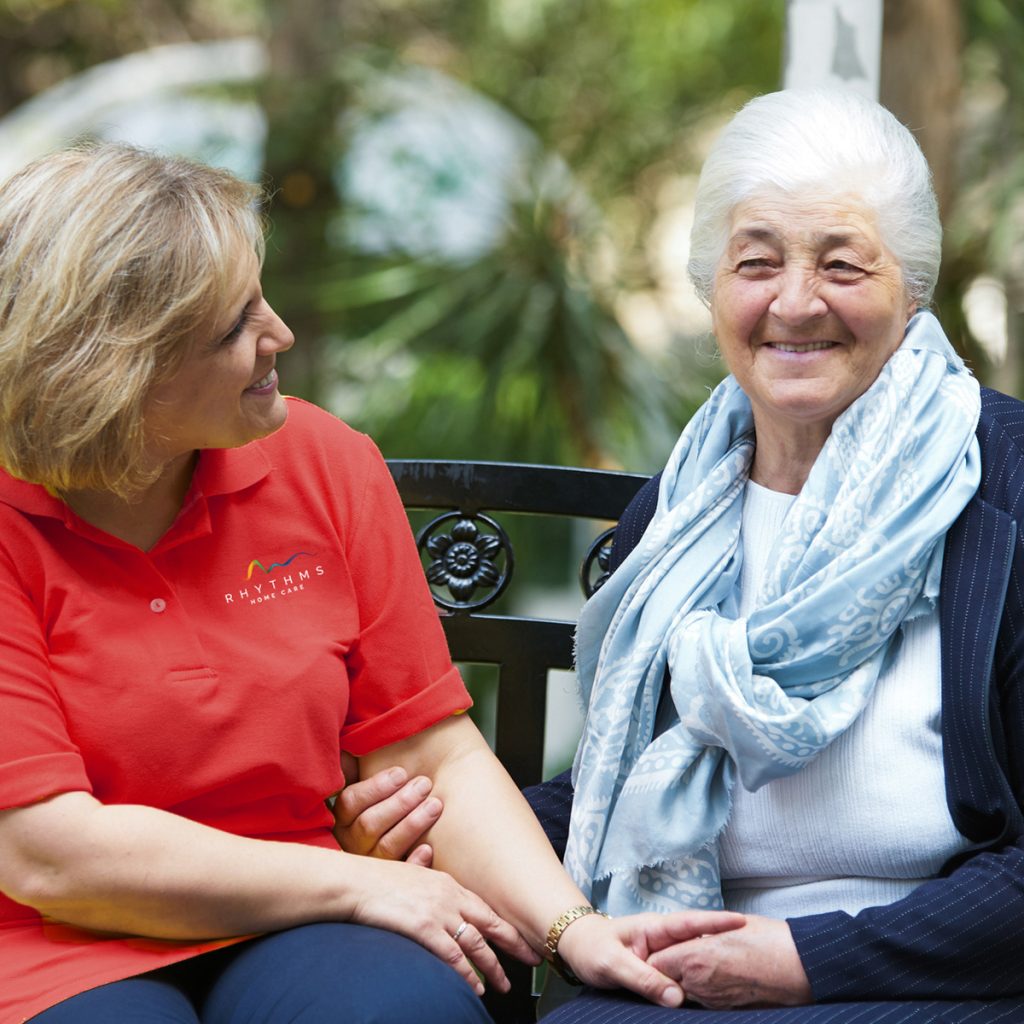
Loneliness and social isolation can affect older adults in different ways. Loneliness is the distressing feeling of being alone or separated from others, while social isolation refers to having few regular social contacts. The two can occur together, but they are not the same. Elder companion care can provide older adults with regular opportunities for conversation, connection and shared activities, helping make companionship a meaningful part of the day.
For an older adult, companionship might look like:
- Sharing a meal and conversation with a care partner
- Visiting with a neighbor or friend
- Spending time with a beloved pet
- Calling or video chatting with family
- Participating in an intergenerational activity
- Getting outside for a walk, gardening, or another favorite activity
The key is intentional connection. A care partner should not simply be physically present in the home; they should look for opportunities to engage the older adult in ways that feel natural and meaningful. The National Institute on Aging talks about how social isolation and loneliness can affect physical, mental, and cognitive health, making connection an important part of healthy aging.
Purpose Helps Older Adults Remain Contributors, Not Just Care Recipients
Helplessness occurs when a person feels they have little control or meaningful influence over their own life. Changes associated with aging can unintentionally intensify these feelings when others begin making decisions on an older adult’s behalf. Eden at Home responds by emphasizing purpose, or opportunities to contribute, make decisions, and give as well as receive.
Purposeful opportunities might look like:
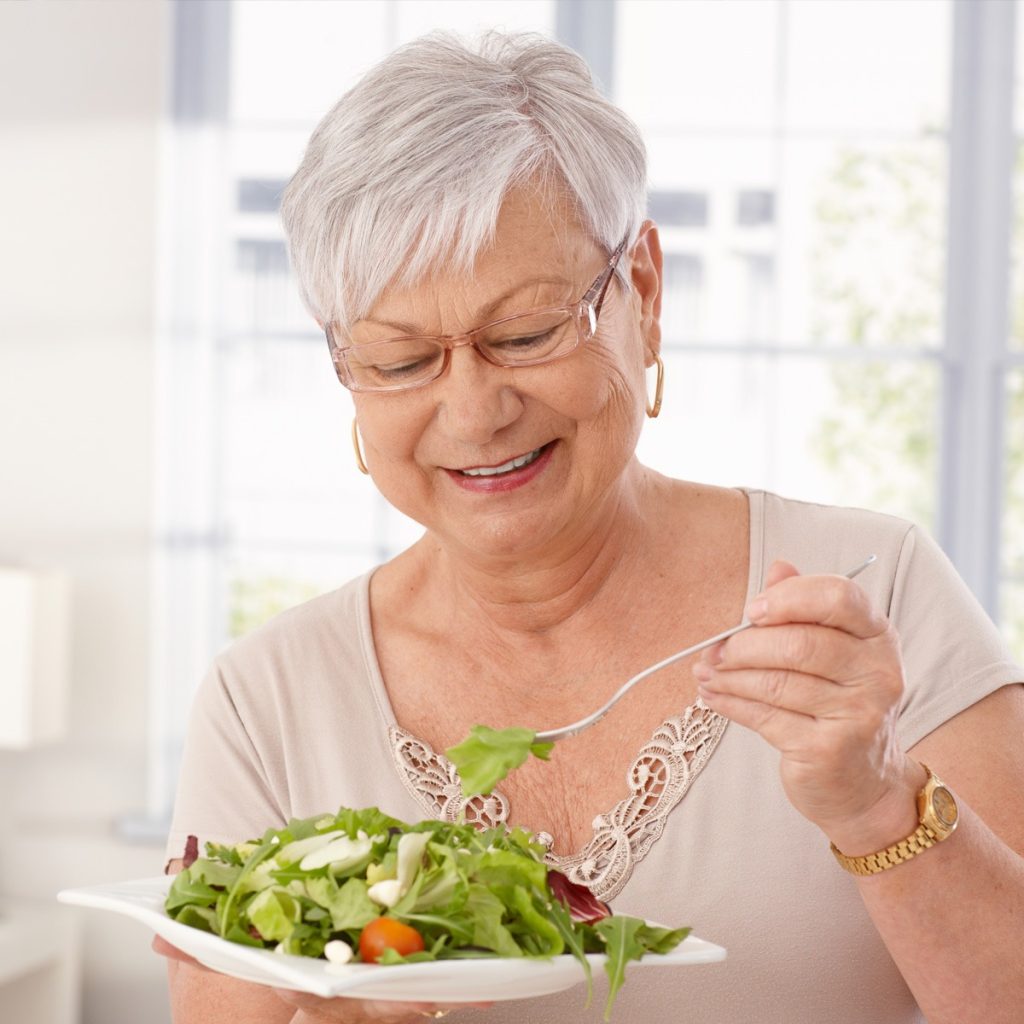
- Choosing what to eat or when to eat
- Tending a garden or houseplants
- Preparing part of a family meal
- Sharing skills or stories with grandchildren
- Helping with a household decision
- Choosing how to spend the afternoon
- Continuing a hobby, volunteer role, or community connection
These choices may seem small, but they reinforce something important: “I still have a say in my life.” This is the difference between task-focused caregiving and person-directed care. Instead of automatically doing something for an older adult, a care partner considers what the person can and wants to continue doing for themselves.
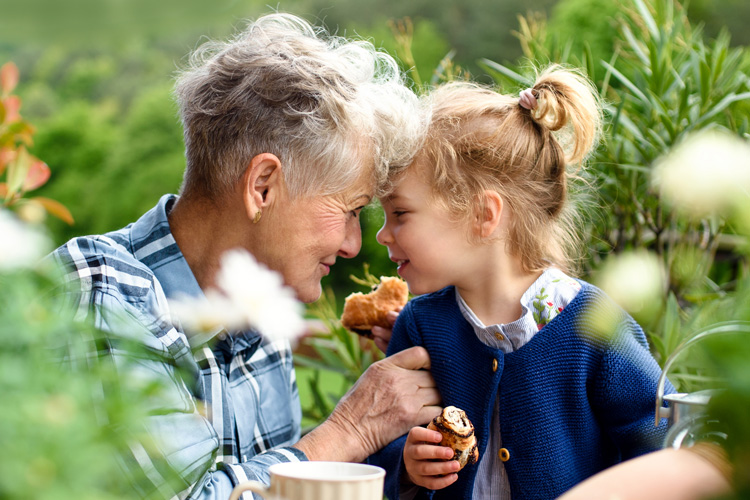
Variety And Spontaneity Can Make Everyday Life More Engaging
Boredom is the experience of having too little meaningful stimulation, engagement, or variety. A predictable routine can provide comfort, but an overly rigid schedule can also remove opportunities for discovery and enjoyment. Eden at Home encourages variety and spontaneity, meaning caregivers look for appropriate opportunities to introduce new experiences and unexpected moments into everyday life.
This could include:
- Taking a different route on a walk
- Trying a new recipe together
- Listening to a favorite musician
- Visiting a local park or garden
- Exploring a creative activity
- Enjoying time outdoors
- Adjusting the day’s routine around the older adult’s preferences
The objective isn’t to fill every hour with activities. It is to create room for life to happen naturally.

Why Does Eden In-Home Care For Older Adults Matter Right Now?
Older adults who live at home can experience loneliness, helplessness, and boredom just as people in residential settings can. In fact, living at home does not automatically guarantee meaningful connection or independence. The National Institute on Aging reports that older adults face increased risk of loneliness and social isolation because of factors such as mobility changes, loss of loved ones, hearing or vision challenges, transportation barriers, and living alone. The CDC also identifies social connectedness, the feeling of belonging, being supported, and being valued as an important contributor to health and quality of life.
That is why Eden in-home care for older adults matters. The philosophy asks caregivers and families to look beyond whether an older adult’s needs have been met and consider whether their life continues to include connection, choice, purpose, and joy.
How Can Families Put The Eden At Home Philosophy Into Practice?
Families do not need to completely redesign an older adult’s life to embrace Eden principles. Small, consistent changes can make a meaningful difference. Start by asking instead of assuming.
Try questions such as:
- “What would you like to do today?”
- “What part of this would you like to do yourself?”
- “Who would you enjoy talking with this week?”
- “Is there something you have been missing?”
- “What would make today feel special?”
Then listen to the answers.
At Rhythms Home Care, the Eden philosophy provides a framework for seeing care as a partnership rather than a set of tasks. The care partner’s role becomes not only helping with what needs to be done, but also recognizing opportunities for connection, purpose, choice, and engagement.

What Does Eden At Home Look Like In Everyday Home Care?
The most meaningful application of Eden at Home may not look dramatic. It can happen in ordinary moments. A care partner sits down for coffee instead of rushing through a morning routine. An older adult chooses what to make for dinner. A favorite song turns into an impromptu dance in the kitchen. A grandparent teaches a grandchild how to make a family recipe. A garden gets tended, a neighbor gets a visit, or an afternoon takes an unexpected turn. These moments reinforce a powerful idea: care should support a person’s life, not replace it.
That is the heart of Eden in-home care for older adults at Rhythms Home Care. By addressing the three plagues, loneliness with companionship, helplessness with purpose, and boredom with variety and spontaneity, the Eden at Home philosophy helps create care experiences that honor the person behind the care plan. Aging at home should not mean simply staying at home. It should mean continuing to live at home with connection, choice, purpose, and dignity.
What Are The Eden Alternative Seven Domains Of Well-Being?
A critical part of the Eden Alternative philosophy is its focus on well-being — defined not just as the absence of disease but the presence of meaningful elements in life. These are known as the Seven Domains of Well-Being, and they form the foundation of care at Rhythms Home Care:
Identity
Honoring Every Individual’s Story, Culture and Personality. At Rhythms Home Care, we prioritize getting to know each client personally. To build trust and familiarity, we introduce our team members before care begins by providing a photo and bio of the caregiver so clients feel comfortable from the start. Especially for those living with dementia, we tailor support to preserve a sense of identity and belonging, never defining anyone by their diagnosis. By truly seeing and supporting the whole person, we help our clients feel not just safe, but seen, known, and respected — a foundational element of well-being and person-directed care.
Growth
Supporting Lifelong Personal Development. We encourage ongoing personal development with tools like interactive activity bags, which may include things like conversation cards, games, books, and sensory items like play dough. These simple tools go beyond simply passing the time — they nurture emotional, cognitive, and physical well-being while promoting joy, self-expression, and continued personal growth. At Rhythms, we recognize that every moment can be meaningful — and every day holds the potential for growth.
Autonomy
Empowering Clients to Make Their Own Choice. At Rhythms Home Care, we honor the Eden Alternative® principle of autonomy by empowering clients to make their own decisions and direct their own care. We believe that the people closest to the situation — the client and their care partner — are best equipped to make meaningful, personalized choices together.
Clients are encouraged to make daily decisions about their care. Whether it’s choosing a meal, skipping a shower for now, or selecting an activity, we honor their preferences and will offer the shower again in a few hours or the next day.
To support autonomy, our dementia home care team receives ongoing specialized training in dementia, including how to offer appropriate choices and engage clients in ways that promote clarity, comfort, and participation. Even small decisions — like choosing what to wear, when to eat, or which activity to enjoy — help older adults feel empowered and in control of their lives.
We also encourage clients to continue doing as much as they can for themselves. This reinforces their sense of agency and helps them stay actively engaged in their own care.
Security
Creating Safety and Trust. At Rhythms Home Care, we understand that true well-being begins with a sense of security. Predictable routines, consistent caregivers, and calm communication help create emotional and physical safety. Especially for clients with cognitive changes, this sense of security reduces anxiety and builds trust, laying the foundation for confidence and peace of mind.
Connectedness
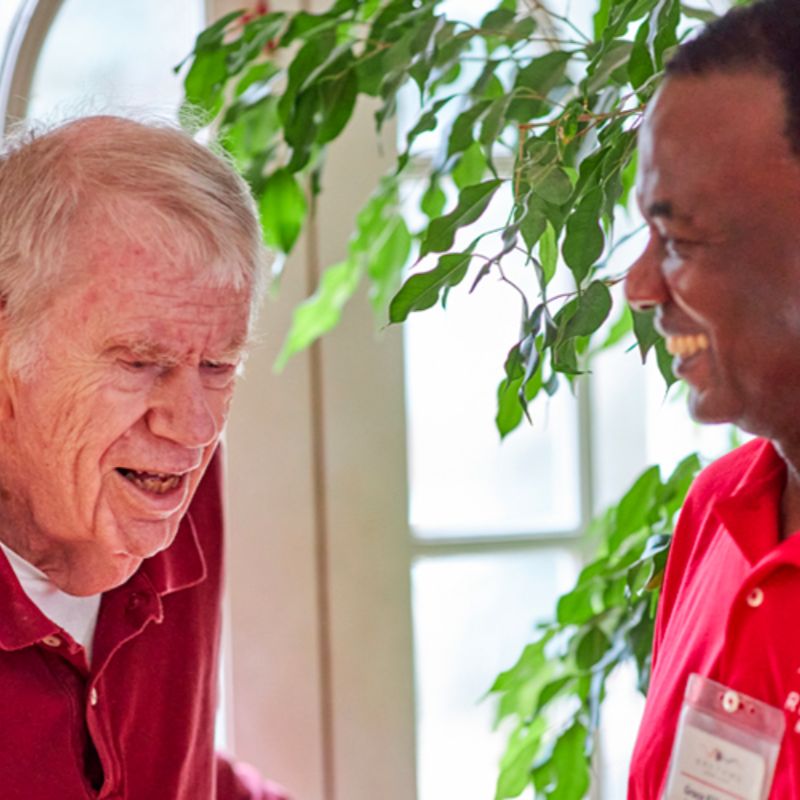
Building Relationships and Community. We foster real relationships between caregivers and clients. While maintaining professionalism, our caregivers often become trusted companions. They engage in deep conversations, encourage reminiscing, share laughter, and even teach clients how to use technology to stay in touch with loved ones. Whether it’s listening to a favorite music playlist, flipping through a family photo album, or simply sitting together over a cup of tea, these shared moments nurture a sense of belonging and emotional connection.
Rhythms Home Care caregivers also support clients in staying active in their communities and social circles, offering transportation and assistance to events like church services, senior centers, or local outings. These experiences help clients stay socially engaged and feel part of something bigger than themselves.
By fostering companionship and honoring each client’s need for connection, we help combat the isolation that so often accompanies aging—and instead, create a life enriched by relationships, joy, and shared purpose.
Meaning
Promoting Purpose and Passion. We don’t just fill time — we understand that living with purpose is essential to well-being, no matter a person’s age or ability. In alignment with the Eden Alternative® Principle 6 — “We thrive when we have variety, spontaneity, and unexpected happenings in our lives. This is the antidote to boredom.”—we focus on helping our clients stay connected to what truly brings them meaning.
Caregivers learn each person’s interests and encourage engagement through personalized activities. Our team also understands how aging and ableism can lead to disconnection, and we actively work to overcome these barriers with inclusive, respectful care.
Joy
Celebrating Everyday Moments. Joy is essential to well-being, not a luxury. Whether it’s a shared laugh, a favorite song, or a walk in the sunshine, our caregivers find ways to bring happiness into daily life. These moments build resilience, reduce boredom, and create a more fulfilling care experience.
We incorporate these moments of joy intentionally and often. It might be a surprise cupcake on a birthday, a walk on a sunny afternoon, or sharing a laugh over a game of cards. For clients living with dementia or physical limitations, joy can come through sensory experiences, familiar songs, or just the comfort of a trusted companion by their side.
By celebrating small victories and happy moments, we help reduce the risk of boredom and emotional decline — and instead, nurture a positive, connected daily experience. Because at Rhythms, we believe every day holds the potential for joy.
Eden Alternative In Action: How We Live Out The Philosophy
At Rhythms Home Care, Eden isn’t just a framework — it’s how we care:
- Care Partner Relationships – We build trust and mutual respect between clients and caregivers.
- Support for Esteem and Self-Actualization – We celebrate achievements and encourage creative and personal expression.
- Customized Routines – Clients direct their own schedules, from meals to activities.
- Community Connection – We help clients stay socially and spiritually engaged.
- Training Through an Eden Lens – Caregivers receive ongoing training in the emotional, physical, and psychological aspects of person-centered care.
Why It Matters: Better Care, Brighter Lives
Studies show that care grounded in the Eden Alternative philosophy leads to greater client satisfaction, preventing caregiver burnout, and improved quality of life for older adults. At Rhythms Home Care, we proudly bring these principles into the homes and hearts of the people we serve. Our clients aren’t just surviving. They’re growing, connecting, and discovering joy in daily life.
As one client shared, “I don’t just feel cared for — I feel seen.”
At Rhythms Home Care, we say, aging at home can be rich with purpose, connection, and joy. Our care supports the whole person — because everyone deserves to thrive.