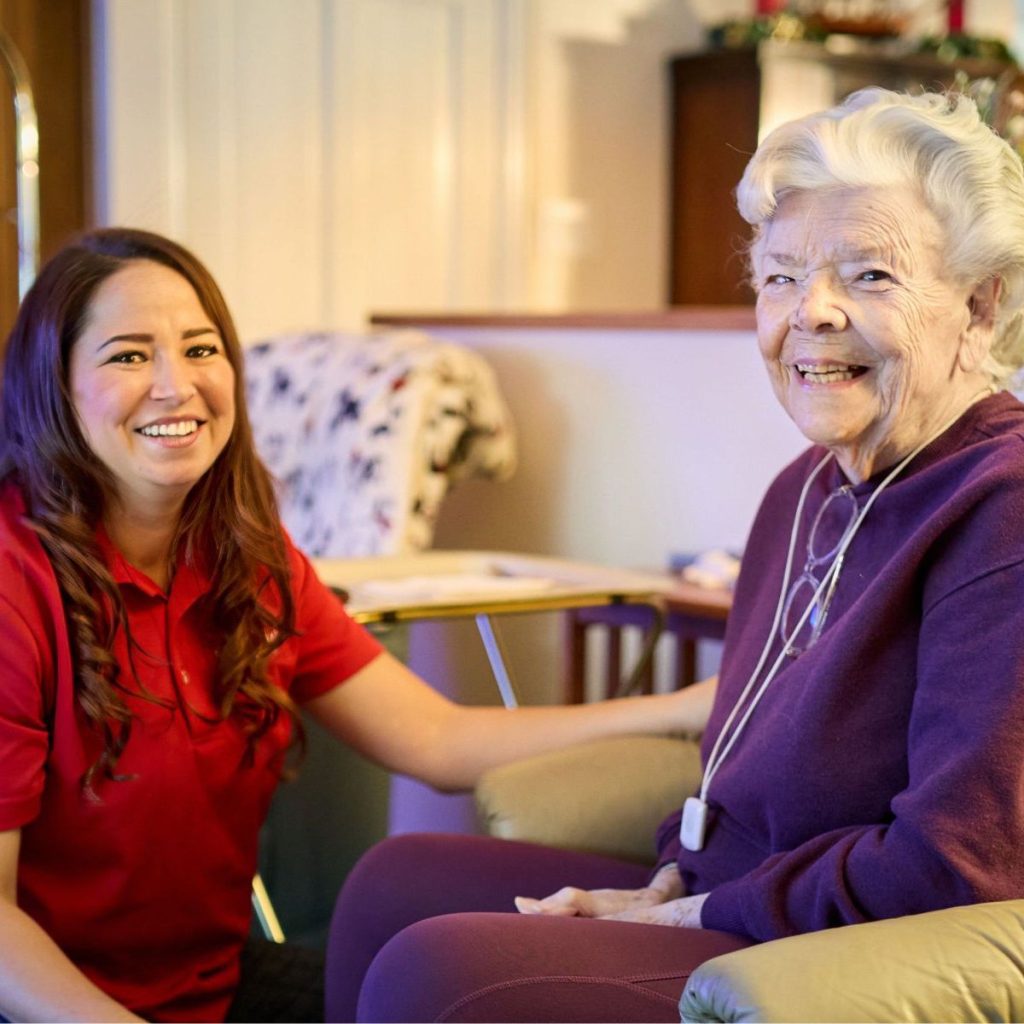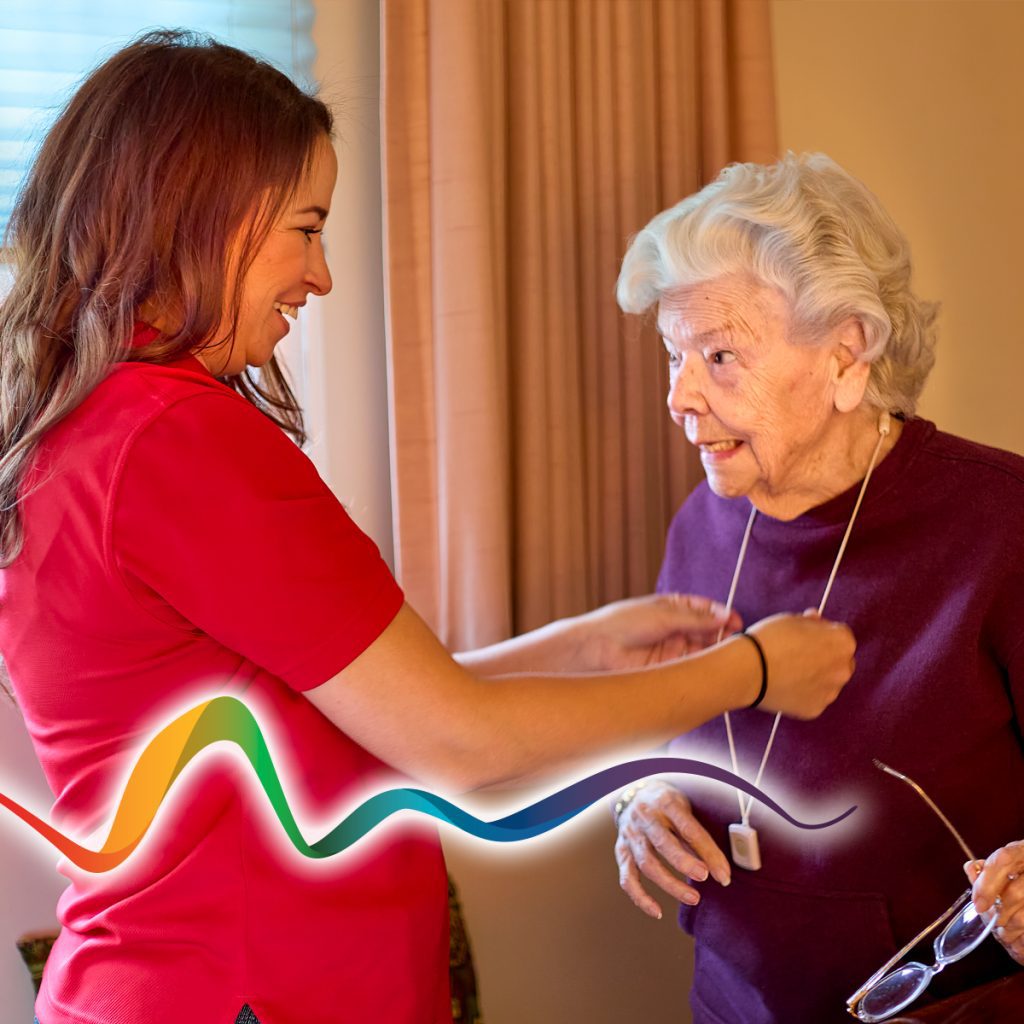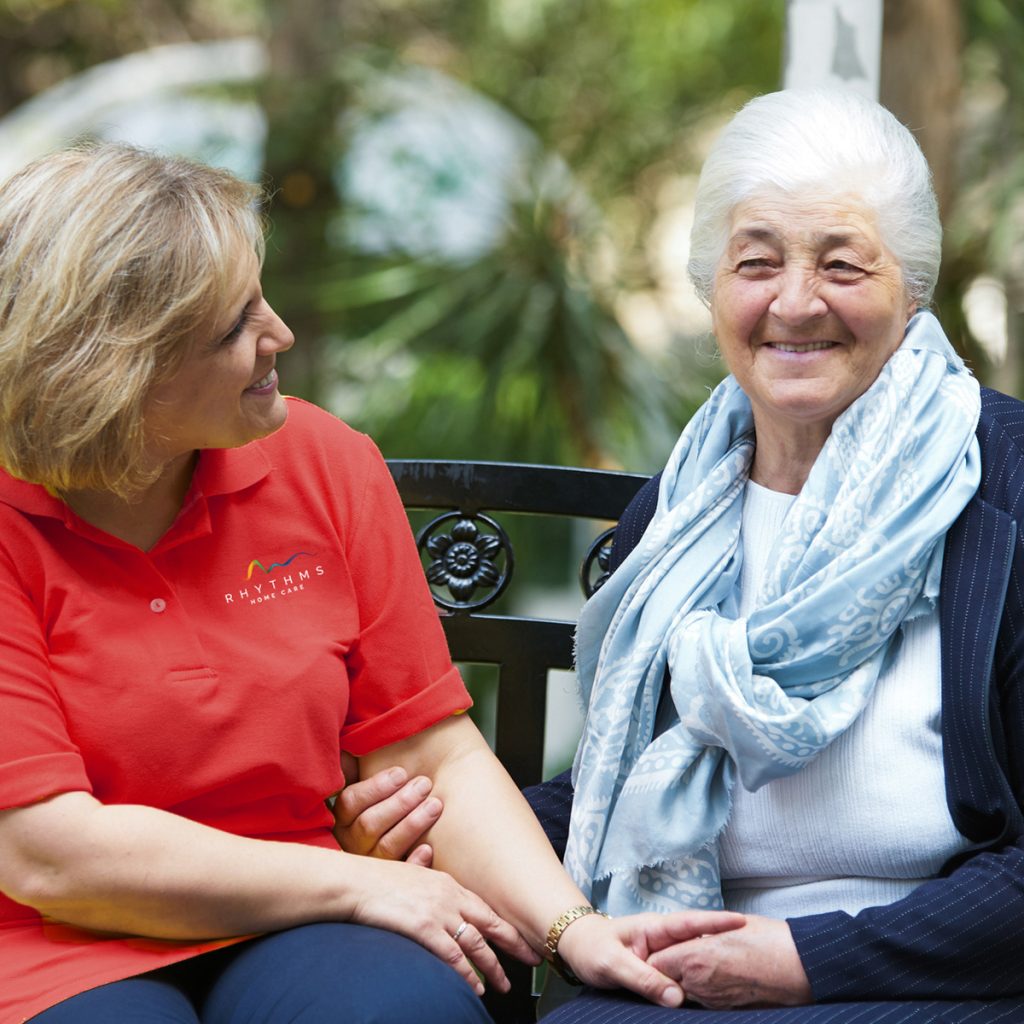

As you care for an aging adult, these comments may sound all too familiar. Truth is, we are all wired with a unique predisposition towards change. Our tolerance levels vary with time, circumstances, and setting among other things. And caring for an aging adult seems to magnify the reality that change is an inevitable part of the journey.
From health changes to needing a little extra help at home, these moments can feel uncertain. But with the right support, including in-home care for seniors during transitions, change doesn’t have to feel overwhelming. It can become a pathway to greater comfort, confidence, and even renewed independence.

Why Is Coping With Change So Difficult For Older Adults And Families?
Change is challenging at any age—but for older adults, it can feel especially disruptive. Routines provide comfort, familiarity builds confidence, and independence is deeply tied to identity.
For family members, the emotional weight can feel just as heavy. You may find yourself balancing concern, responsibility, and uncertainty—wondering how to best support your loved one without overstepping.
At Rhythms Home Care, our hope is to support, encourage, and equip you to be a steady support to your loved one as you face inevitable changes together. So how you choose to approach change and navigate transitions can profoundly impact your own well-being and those around you. We’re here to help you approach the future confidently and equip you with healthy, productive strategies in facing what lies ahead.

How Can Helping Seniors Stay Independent At Home Ease The Transition?
One of the greatest fears many older adults face is losing independence. The good news is that accepting support doesn’t mean giving that up—it often means preserving it.
Helping seniors stay independent at home is at the heart of what makes transitions more manageable.
With the right level of support, older adults can:
- Continue living in a familiar, comfortable environment
- Maintain daily routines that bring stability
- Make their own choices with confidence
- Receive assistance only where it’s needed
In fact, research highlighted by the AARP shows that 87% of older adults prefer to age in place—and experience greater emotional well-being when they’re able to remain at home.
Support, when introduced thoughtfully, becomes a tool for empowerment—not limitation.
What Role Does In-Home Support For Elderly Parents Play In Reducing Stress?
For families, one of the biggest challenges is knowing when—and how—to step in.
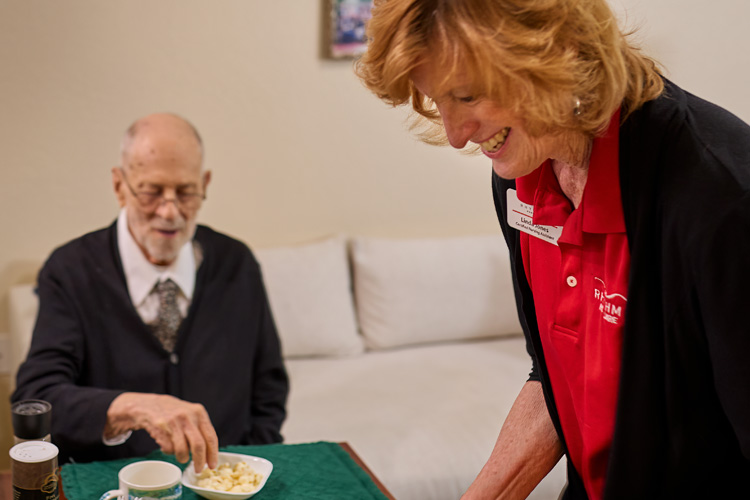
In-home support for elderly parents provides a balanced solution. It allows family members to remain actively involved while ensuring their loved one receives consistent, professional care. At Rhythms Home Care, this support is thoughtfully tailored to meet each individual where they are—providing just the right level of assistance while preserving independence and dignity.
This kind of support can include:
- Assistance with daily activities like meal preparation or bathing
- Medication reminders
- Companionship and social engagement
- Light housekeeping and household support
Beyond the practical help, there is a powerful emotional benefit: peace of mind. Knowing someone is there—not just for tasks, but for meaningful connection—can ease anxiety for both the older adult and their family. It also allows relationships to return to what they’re meant to be: parent and child, not caregiver and patient.

How Can You Emotionally Navigate Life’s Transitions Together?
Transitions are not just logistical—they are deeply emotional.
As stated, many individuals naturally resist change, often experiencing feelings like frustration, fear, or uncertainty. These emotions can surface even when the change is ultimately positive.
Here are a few meaningful ways to navigate this together:
Focus On What You Can Control
Rather than becoming overwhelmed by uncertainty, focus on small, manageable decisions—daily routines, preferences, and choices that reinforce a sense of control.
Acknowledge The Reality of Change
Avoiding change often increases stress. Recognizing and accepting it, even gradually, can reduce emotional strain and help create a clearer path forward.
Choose A Positive—But Realistic—Mindset
A positive outlook doesn’t mean ignoring challenges. It means approaching them with resilience and openness to new possibilities.
Stay Connected And Ask For Help
The American Psychological Association emphasizes that social support plays a critical role in managing stress and adapting to change. No one should navigate these moments alone.
When Is The Right Time To Consider Home Care For Seniors During Transitions?
There is rarely a single defining moment—it’s often a series of small signs:
- Daily tasks becoming more difficult
- Increased fatigue or forgetfulness
- Changes in mobility or health
- Growing concern from family members
The best time to explore home care for seniors during transitions is before a crisis occurs.
Introducing support early allows for:
- A smoother, more comfortable adjustment
- The opportunity to build trust with caregivers
- A proactive approach to maintaining independence
Rather than reacting to change, you’re planning for it—together.
How Can Support Turn Change Into An Opportunity For Growth?
While change can feel intimidating, it can also open the door to something meaningful: a better quality of life.
With the right support in place, many older adults experience:
- Reduced stress and daily burden
- More time and energy for hobbies and relationships
- Increased safety and confidence at home
- A renewed sense of independence
For families, it often brings relief, reassurance, and the ability to focus on connection rather than constant concern.
At Rhythms Home Care, we believe that coping with change doesn’t mean simply “getting through it.” It means finding ways to thrive within it.
Ready To Explore Support For Your Family?
Change is a natural part of life—but you don’t have to navigate it alone.
Whether you’re exploring in-home support for elderly parents or looking for ways of helping seniors stay independent at home, Rhythms Home Care is here to walk alongside you every step of the way.
Reach out today to learn how we can support your family with compassionate, personalized care—so that every transition feels a little more manageable, and a lot more hopeful.