
Cardiovascular Risks for Aging Adults
More than 600,000 Americans die every year due to heart disease. It’s the leading cause of death in men and women in the United States and the world. Because of changes that occur in the cardiovascular system as we age, older adults are more likely to develop coronary heart disease or suffer a heart attack or stroke.
Nearly half of all adults over 65 have been diagnosed with some form of cardiovascular disease, and the risk continues to climb with each passing decade. Conditions such as atrial fibrillation, hypertensive heart disease, and coronary artery disease become increasingly common, affecting not only longevity but also quality of life and independence.
According to the CDC, older adults who experience loneliness from being socially isolated at home may increase their risk of heart failure by as much as 29%. This connection between social engagement and heart health underscores an often-overlooked aspect of cardiovascular care: the human need for connection and support. Professional home care support benefits the heart health of older adults including those living with heart disease or who are recovering from a heart attack or congestive heart failure.
Heart-Healthy Lifestyle Support at Home
Managing heart health at home begins by adopting a healthy lifestyle. Maintaining a healthy weight, not smoking, controlling blood pressure and cholesterol, and getting regular exercise can reduce the risk of a cardiac event. Most older adults want to live in their home for as long as possible, and there are many benefits of aging in place. However, social isolation, mobility issues, and a lack of support can make it difficult to make the lifestyle changes necessary to improve heart health.

A heart-healthy meal plan is foundational to cardiovascular wellness. This means embracing a diet rich in fruits, vegetables, whole grains, and lean proteins while limiting sodium, saturated fats, and processed foods. For many seniors, the principles of a Mediterranean-style diet—emphasizing olive oil, fish, nuts, and fresh produce—offer an approachable framework for heart health. However, shopping for these ingredients, preparing meals with limited mobility, and maintaining motivation to cook for one can present significant obstacles.
Exercise is equally vital for heart health, but it must be appropriate for each individual’s capabilities and cardiac condition. Heart-safe activities for seniors might include daily walks, chair-based exercises, water aerobics, or gentle yoga. The key is consistency and gradual progression, always under the guidance of healthcare providers. Transportation challenges, fear of falling, or simply lacking motivation can prevent seniors from maintaining the regular physical activity their heart health requires.
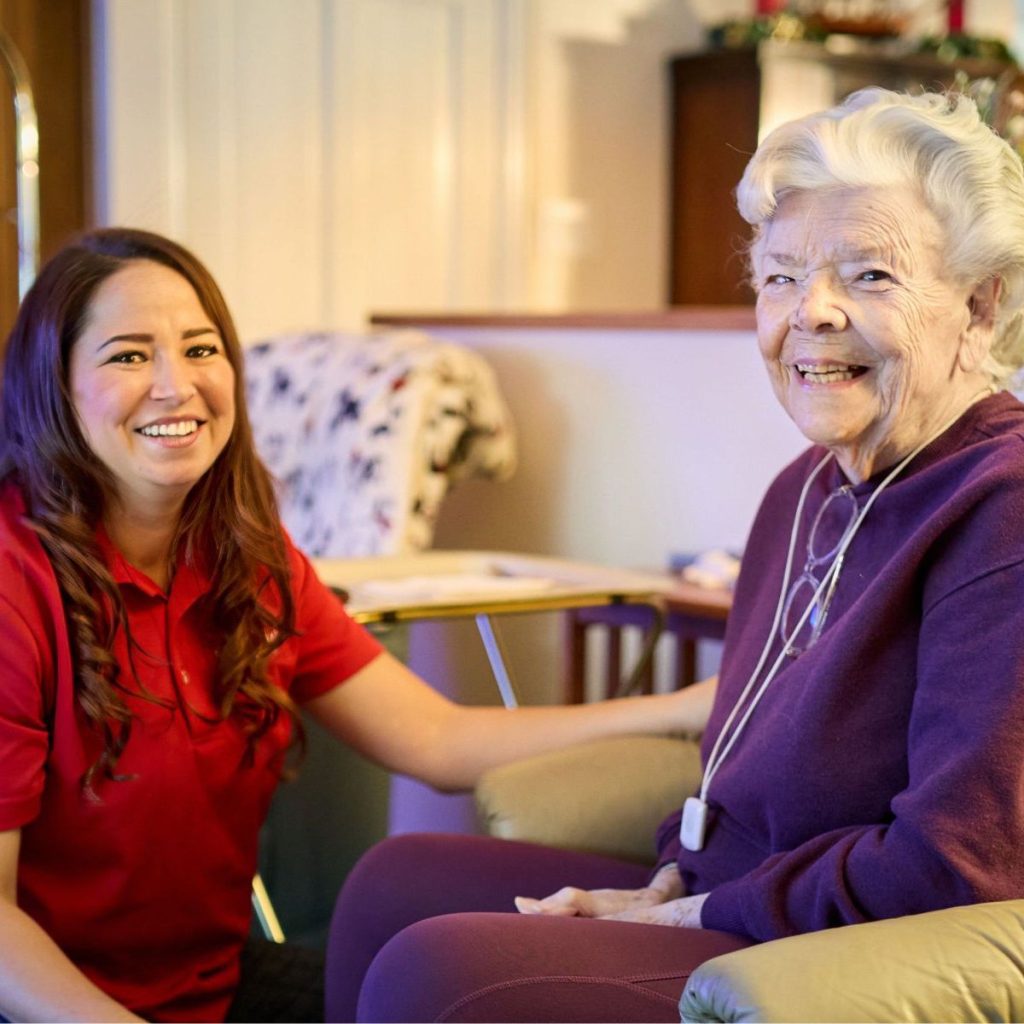
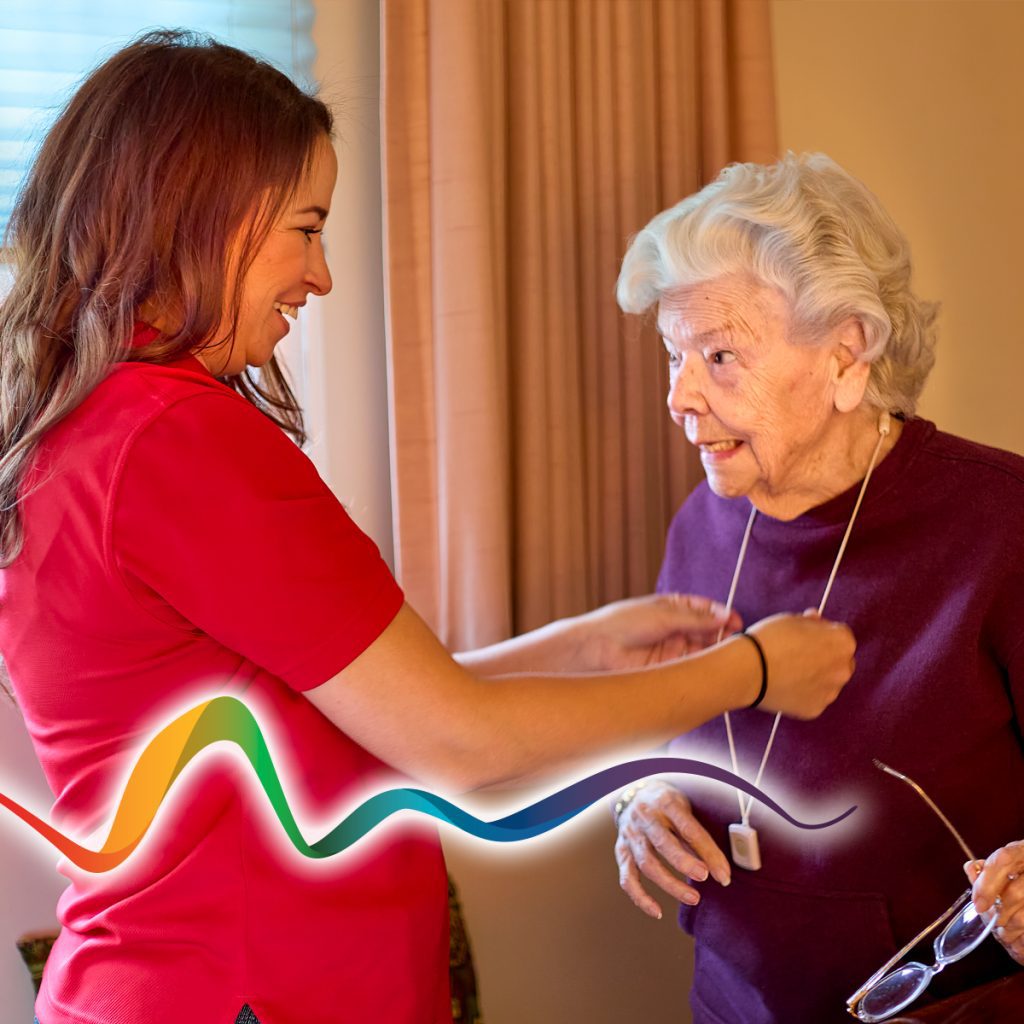
This is where professional home care becomes transformative for heart health. At Rhythms Home Care, our professional care partners work with you or your family member to create a personalized care plan around your needs. This can include creating a healthy meal plan and helping with as much of the preparation as you like. Whether that means doing the grocery shopping, preparing entire meals, or simply providing companionship and encouragement in the kitchen, we adapt to your preferences and needs.
Other non-medical support includes helping with exercise, transportation to and from medical appointments, medication reminders, assistance with monitoring blood pressure, and providing emotional support. Our care partners can accompany you on walks, guide you through prescribed exercises, and celebrate your progress—providing both the accountability and encouragement that make lasting heart health improvements possible. The companionship itself reduces stress and combats the isolation that threatens heart health, creating a positive environment for healing and wellness.
Cardiac Recovery Support Services
Caring for a family member after a heart attack or with congestive heart failure can be overwhelming and may lead to caregiver burnout. Some heart failure patients end up being readmitted to the hospital after a cardiac event due to poor nutrition, missed medications, and changes in vital signs like weight gain and blood pressure.
The recovery period following a cardiac event is critical for long-term heart health. The first few weeks and months establish patterns that can either support healing or increase the risk of another event. During this vulnerable time, consistent monitoring, adherence to medical recommendations, and emotional support make the difference between successful recovery and dangerous setbacks.
Our professional medical services team can support you in following your doctor’s recommendations for meals, assisting with monitoring and reporting vital signs, encouraging prescribed activities including respiratory exercises, and helping with supplemental oxygen monitoring. We understand that cardiac recovery involves a delicate balance—enough activity to strengthen the heart without overexertion that could cause damage.
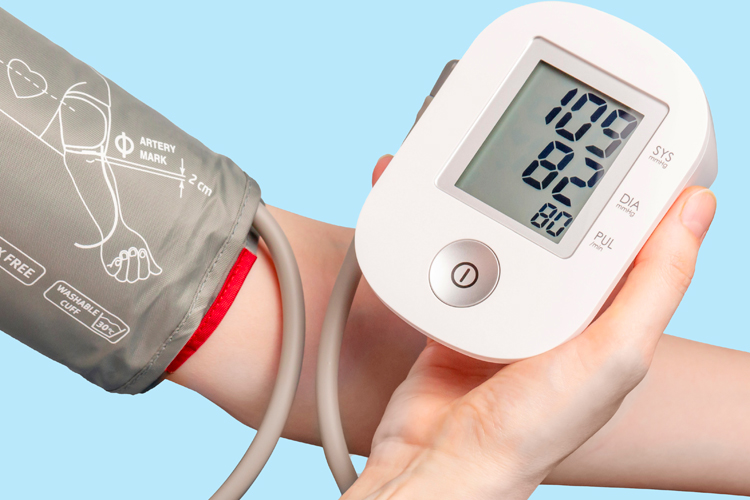
Daily heart health monitoring might include checking and recording blood pressure, pulse, weight, and oxygen saturation levels. Our trained caregivers know what changes warrant immediate medical attention and maintain detailed records that help your healthcare team make informed decisions about your heart health management. This level of vigilance provides an early warning system that can prevent emergency situations.
We also provide medication management, catheter care, IV management, and transportation to and from follow-up medical appointments. Medication schedules for heart health can be complex, with some medications needing to be taken at specific times, with or without food, and carefully monitored for interactions. Our caregivers ensure medications are taken correctly and on schedule, a simple intervention that significantly impacts heart health outcomes.
Cardiac rehabilitation, whether formal programs or at-home exercise protocols prescribed by your physician, is essential for rebuilding strength and confidence after a cardiac event. Our caregivers can assist with these exercises, providing encouragement and ensuring proper technique while monitoring for any concerning symptoms. This support helps you progress safely through recovery milestones, gradually regaining independence while protecting your heart health.
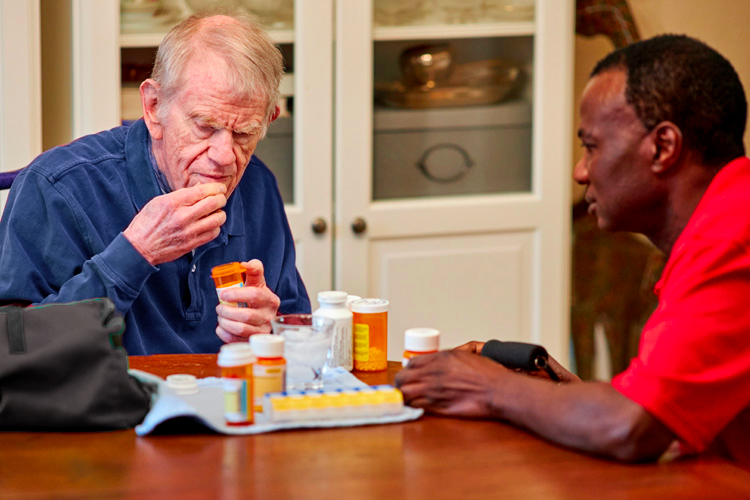
Home care support benefits your heart health and can reduce the chance of being readmitted to the hospital after a heart attack or congestive heart failure. Beyond the medical interventions, the emotional support and companionship our caregivers provide addresses the anxiety and depression that commonly follow cardiac events—mental health challenges that, if left unaddressed, can impede physical heart health recovery
Expert Heart Care in the Denver Metro Area
With more than 25 years of experience serving clients in the Denver Metro area, our medical and non-medical home health team is here to help support you or your family member on the road to better heart health. We are committed to helping you find the right home care partner who can meet your needs after a cardiac event and improve your heart health through beneficial lifestyle changes. Read what our clients have to say about us and contact us to learn more about our compassionate at-home senior care.