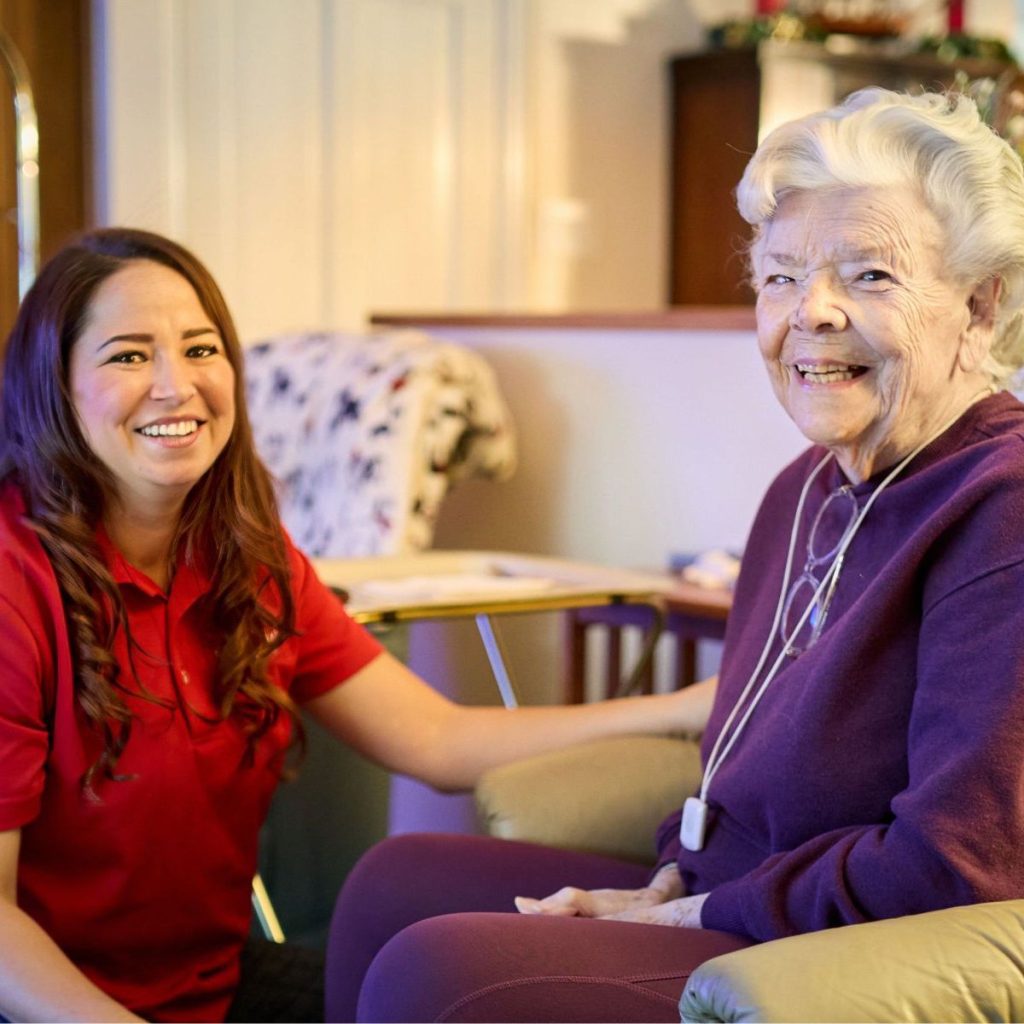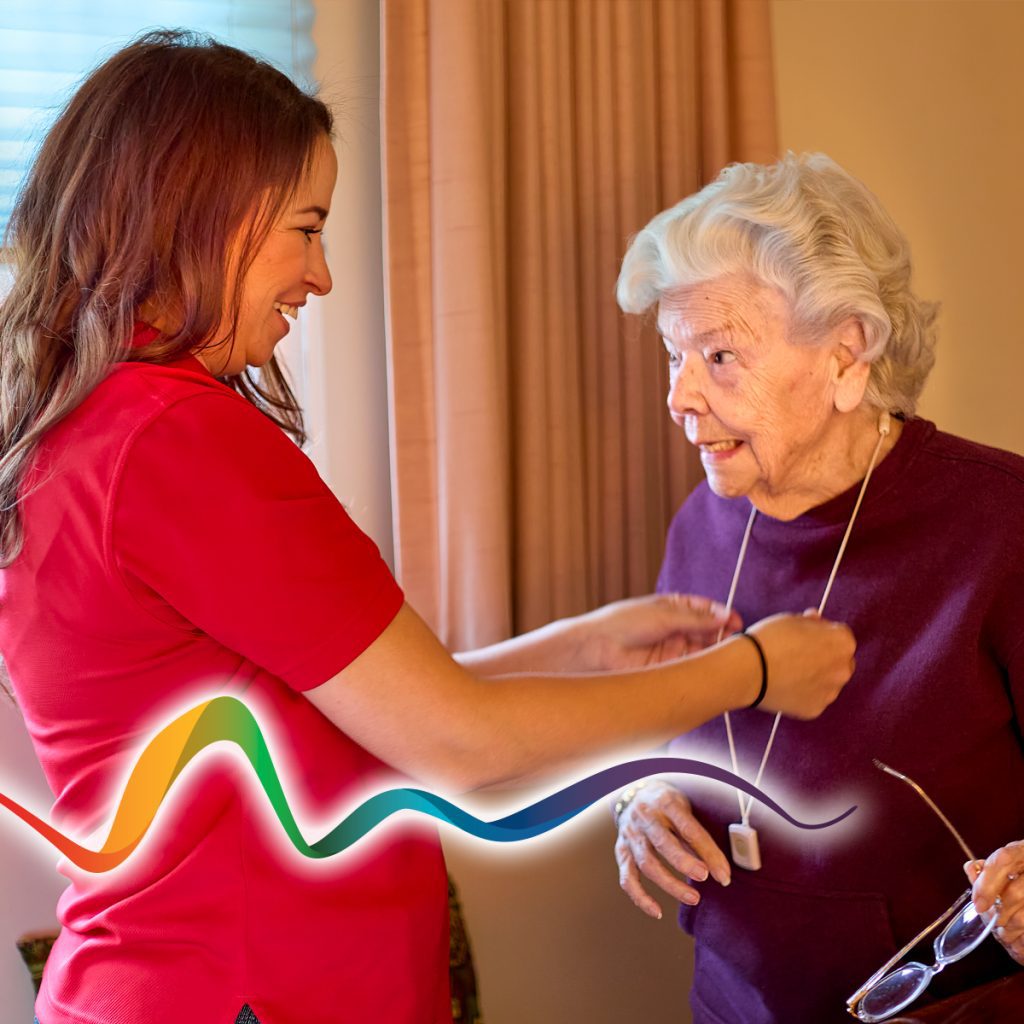

After a heart attack, home care for heart disease management focuses on rest, gradual return to activity, medication management, and lifestyle changes to support heart health. This includes taking prescribed medications, attending cardiac rehabilitation, and making dietary and activity adjustments.
Home Care After Returning Home from Heart Surgery
At Rhythms Home Care, returning home after heart surgery can be both reassuring and overwhelming. While medical care continues through regular checkups, home is where proper recovery begins. Every patient’s journey is unique, but home care for heart disease can help assist a safe and steady recovery.

Professional support services, such as Go-Home Packages, are designed to make this transition easier. They provide personalized home assistance that helps patients follow daily routines, adhere to medication schedules, and gradually rebuild strength.
Heart Disease Recovery at Home After a Heart Attack
The goal of home care is to support heart recovery and promote daily practices that support long-term heart health. Key elements of this care include:
1. Rest and Gradual Return to Activity
Rest is crucial in the first 4–6 weeks after a heart attack. Take naps during the day, especially in the afternoon, to allow your heart time to heal.
As recovery progresses, gently increase your activity level under medical supervision. Begin with short walks or simple household tasks, then gradually increase your physical activity. Avoid heavy lifting or strenuous exercise during early recovery unless your doctor approves it.
Complete programs, such as cardiac rehabilitation, can provide guided exercise, education, and close monitoring to help you safely return to physical activity. Follow your doctor’s advice closely for stair climbing or outdoor activities during the initial recovery period.
2. Medication Management at Home
Heart disease management depends heavily on taking prescribed medications consistently. Patients may need medications such as antiplatelet agents, like aspirin, to prevent blood clots, beta-blockers to reduce heart strain, or statins to control cholesterol levels.
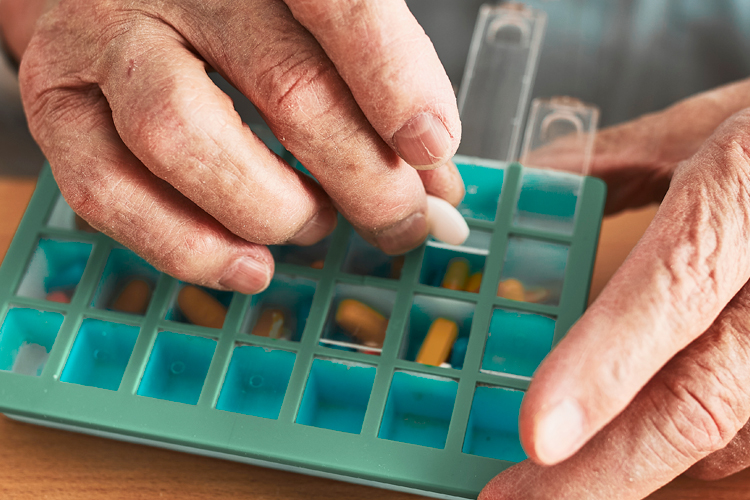
Here are practical tips for managing medications at home:
- Take prescriptions exactly as directed by your doctor.
- Use a pill organizer or set daily reminders to avoid missed doses.
- Keep a written list of medications, including their names, doses, and refill dates.
- Report any side effects or changes in your health to your healthcare provider immediately.
- Never modify or stop taking medications without consulting your cardiologist. Sticking to your medication plan helps prevent complications and supports your heart’s recovery.
3. Heart-Healthy Diet and Lifestyle Changes
Diet plays a decisive role in heart health. Focus on foods that support circulation, control blood pressure, and reduce cholesterol. A balanced, heart-smart diet should include:

- Plenty of fruits and vegetables.
- Whole grains like oats, barley, and brown rice.
- Lean proteins such as fish, poultry, and legumes.
- Healthy fats from nuts, seeds, and olive oil.
Limit processed foods, saturated fats, trans fats, and added sugars. Reduce sodium intake to control blood pressure. Avoid smoking completely and limit alcohol consumption.
Tracking your blood pressure and pulse daily at home helps you and your doctor monitor your progress. Record results and bring them to each checkup. Maintaining a healthy weight through mindful eating and regular movement reduces stress on the heart.
4. Emotional Well-Being and Mental Health Support
Recovering from heart disease isn’t just a physical challenge; it’s emotional, too. Many patients experience mood changes, sadness, or anxiety after a heart attack or surgery. These feelings are part of the healing process, often part of healing.
Discuss openly with your doctor, family, or a counselor your feelings and emotions. Heart patients often benefit from joining cardiac support groups where members share experiences and offer encouragement.
Managing stress, practicing mindfulness, and maintaining social connections all contribute to improved heart health outcomes.
5. When to Seek Emergency Medical Help
If you experience chest pain, shortness of breath, dizziness, or discomfort spreading to your arm, shoulder, neck, or back, call 911 immediately. Never delay care or assume the symptoms will go away on their own. Quick medical attention can be lifesaving and prevent further heart damage.
6. Follow-Up Care After a Heart Attack or Surgery
Regular follow-up appointments are crucial for monitoring recovery progress and adjusting treatments. During these visits, your doctor may perform tests, review medications, and evaluate your heart function. To see an example of what early post-surgery care looks like, check out this video guide.
Your healthcare team can also help you adjust your routine after discharge, whether that means making dietary adjustments, planning exercise, or seeking mental health support, to maintain a healthy heart over the long term.
Building a Heart-Healthy Future at Home
Successful heart disease management through our transitional care continues well beyond the hospital stay. Daily routines, minor lifestyle changes, and consistent medical follow-up can have a profound impact on long-term heart health.
With home care for heart disease, home truly becomes part of your care plan; a supportive environment where healing happens. With guidance from healthcare professionals, reliable home care services, and family support, patients can live well and manage heart disease effectively.
If you are looking for home care for you or your loved who is coming after a heart attack, contact us for more information.