

senior home care
Dementia Home Care Services
Home » Senior In-Home Care » Dementia Home Care
Dementia Home Care Services in Denver, CO
We believe that a dementia diagnosis like Alzheimer’s does not define a person; each individual is unique, with their own rhythm of life. Through compassionate in home dementia and memory care, Rhythms Home Care builds positive relationships with each client, honoring their rhythm while creating an environment where each person can navigate the world successfully.

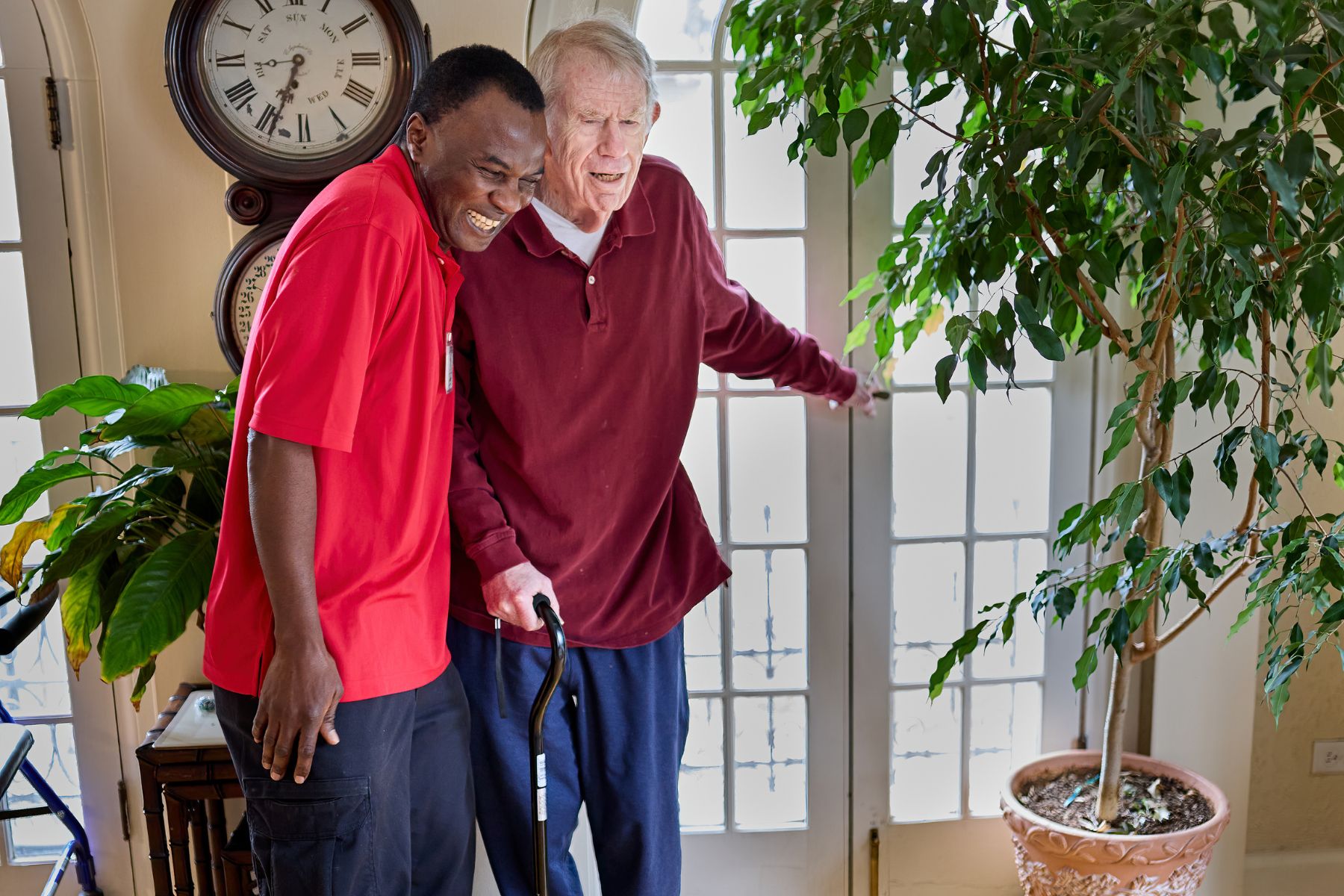
In-Home Care For Dementia
In-home dementia care can support individuals in the place they know best—home. By providing personalized care within the home, this approach helps reduce stress and confusion while keeping your loved one in a familiar surrounding. This helps keep the focus on dignity, consistency, and meaningful connection—while navigating their dementia journey with confidence and comfort.
Our trained care partners work closely with families to provide attentive, adaptable support as needs may change.
Rhythms Home Health Care for Dementia
What sets Rhythms in-home dementia care apart is our strong commitment to consistent training and personalized support. Our caregivers participate in quarterly, in-person training focused on caring for those living with dementia. That includes diseases like Alzheimer’s, Lewy Body and Parkinson to strengthening our ability to support individuals as their needs evolve. In addition, we also provide annual competency training for our Certified Nursing Assistants (CNA) and Personal Care Associates (PCA).
Every team member understands that dementia is a shift in the way a person experiences the world around them. Trained team members then help families understand the changing behaviors in their loved ones. Families are encouraged to meet with our team to discuss the plan of care, and adjustments that may be needed to align with the client’s changing needs.
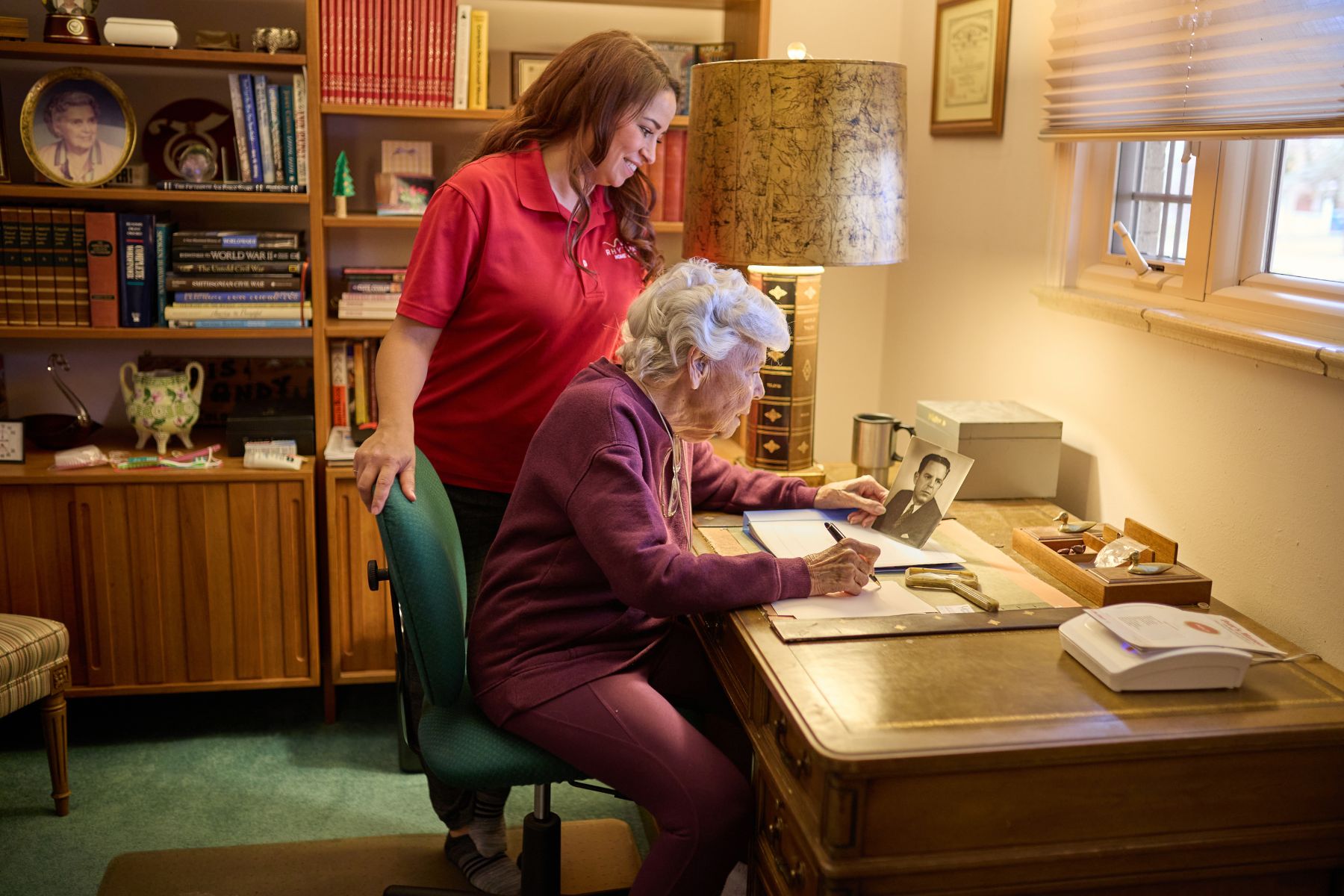
About Dementia Home Care
Life expectancy for people with dementia generally depending on their age of diagnosis can live 8-10 years or more. Also depending on the type of dementia, overall health, and the level of support they receive. Access to personalized in-home care, along with medications and other supportive interventions, can help manage symptoms, improve quality of life, and support individuals in living safely and meaningfully in familiar surroundings.
When addressing aggression in a loved one with dementia, remain calm, use a soft and steady voice, and validate their emotions rather than arguing or confronting them. Remember the behavior is likely an unmet need. Keep communication simple, reduce environmental triggers, and redirect their attention to a familiar activity, music, or snack to help de-escalate the situation. Always prioritize safety by giving them space to calm down, and seek additional help if needed. We understand that dementia is a “whole community” disease, we strive to offer support and education to everyone on the dementia journey, including families and communities.
Sundowning and night time wandering are common challenges for individuals living with dementia. Symptoms of sundowning can be increased confusion, agitation, and restlessness during evening hours. “Behaviors” and “sundowning” are a often communications of unmet needs – a person’s attempt to tell us that something is not right in his or her world. To minimize the behaviors, establish a consistent daily routine that includes calming activities in the late afternoon, ensure adequate lighting as darkness approaches, and minimize stimulating activities or large meals near bedtime.
For families concerned about safety, professional support can make a significant difference. 24-hour home care provides trained caregivers who can maintain supervision throughout the night, redirect wandering behavior safely, and implement calming techniques during sundowning episodes.
In home care can provide structure, comfort, and purpose for someone living with dementia by creating personalized daily routines and meaningful activities rooted in familiarity and compassion. Our Rhythms memory care philosophy focuses on maintaining independence, dignity, and emotional well-being through thoughtful, person-centered support.
Daily routines are customized to reflect familiar tasks, lifelong interests, and personal preferences, helping individuals feel grounded and confident in their day. Engaging activities, like these can stimulate cognitive function while fostering a sense of purpose and enjoyment.
Our compassionate, specially trained care partners honor established routines, culture and backgrounds. Using gentle redirection and reassurance, care partners support safety while always respecting dignity. Evidence-based therapies and ongoing training ensure activities remain engaging, supportive, and appropriate as needs evolve.
Creating an safe environment and supportive measures for someone living with dementia can significantly enhance their quality of life. Here’s how Rhythms Home Care’s approach applies within the home setting.
Home safety modifications recommended by Rhythms Home Care:
- Install handrails along stairs and in bathrooms.
- Improve lighting to prevent falls. Use nighlights in hallways, bathrooms, and bedrooms for nighttime navigation.
- Remove clutter and secure rugs.
- Use non-slip mats and grab bars.
- Clearly label rooms, drawers and cabinets with words or pictures.
- Adjust water heater temperature to prevent scalding.
- Store frequently used items at waist level to avoid climbing or bending.
- Use appliance safety devices (auto shut-off for stoves, covered knobs).
- Consider medical alert systems for added peace of mind.
Caregiver burnout develops when the ongoing demands of caring for another person begin to outweigh the support and relief available to the caregiver. Over time, the physical effort, emotional strain, and constant decision-making can take a serious toll. Many caregivers balance these responsibilities alongside careers, family life, and personal commitments, often putting their own well-being last.
Without opportunities to rest and recharge, prolonged stress can show up in many ways, persistent exhaustion, heightened anxiety, low mood, or even frequent illness.
So, how can you manage life while caring for a loved living with dementia so burnout won’t set in?
- Ask for help. Even a short getaway can offer a break to recharge. Take a walk, go watch a movie or go out to dinner.
- Consider home care services. Rhythms Home Care can offers support through:
- Nurture positive relationships. Take the time to talk with close friends and family members.
- Take care of yourself. Setting goals to establish a good sleep routine, eat healthy food and try to fit in activity like walking or a gym class, and drink plenty of water.
- Keep in touch with your physician. Talk to your doctor that you’re a caregiver and bring up any concerns you may have.
Caregiver burnout is not a sign of weakness; it comes with the immense responsibility of caregiving. By identifying the signs and taking steps to combat burnout, you will better support yourself and those you care for.
EXPLORE OTHER IN-HOME CARE SERVICES
RESOURCES
Take the Assessment
Testimonials
Everyone at Rhythms Home Care is wonderful! Taking care of someone with dementia is very complex and can be exhausting. The staff is so kind and uplifting. Thank you for the good work!
Additional Resources For Dementia Home Care
-
Mayo ClinicMayo Clinic The Mayo clinic talks about what types of behaviors are common with Alzheimer's, what 5 stages are associated with Alzheimer's and how it relates to the progression of the disease. They will also touch on how untreated vascular risk factors such as high blood pressure can be associated with a faster rate of Alzheimer's.
-
K2Medical ResearchK2Medical Research Many individuals continue to live fulfilling lives after a dementia diagnosis, supported by personalized care, medications, and non-drug interventions. In this blog, by K2 Medical Research, read about what factors affect how fast dementia progresses and what scientists know so far about the progression of the disease.
-
Alzheimer's SocietyAlzheimer's Society Learn about dementia, including the different types, common symptoms and stages, potential causes, and available treatment options. Find the support needed near you by calling our dementia support line, receive fact sheets, and join our online community to ask for advice, offload your concerns about dementia and share helpful information.