
Balanced Nutrition For Seniors
When you think of eating healthy, what do you think of? Probably something along the lines of giving up the foods that you enjoy and swapping them out for a salad or a piece of broccoli. You’re between a rock and a hard place with this predicament.
We understand that a healthy diet is essential for living longer, aging well, and living happy and healthy lives. However, sacrificing the foods that you have come to enjoy in your life doesn’t have to be the answer. These nutritional tips can help you on your journey.
The amazing thing is that healthy living does not have to involve a “quitting cold turkey” mentality. Instead, think about making small changes to create a well-balanced diet consisting of the necessary vitamins and minerals found in healthier foods. You may notice that you are less hungry or feel full faster. That’s common as we age so it makes it even more important to eat the right things to ensure you are getting enough nutritional value.
Giving your body the right nutrients by eating healthy can help you continue to do all the things you love, and remain as independent as possible. It may also save you time and money at the doctors’ office, especially if you are managing health concerns such as diabetes, high blood pressure or heart disease.

Essential Nutrients For Senior Health
There is a lot of information about what to eat – and not eat – these days. We’ve all heard about fad diets like Whole 30, Paleo and Keto. But you don’t have to follow trends or be a nutritionist to eat a well-balanced diet.
Here are some key vitamins and minerals that support healthy aging:
- Vitamin B12 – Chicken, meats
- Water – Prevents dehydration
- Fiber – Whole grain breads, cereals
- Omega-3 – Tuna, salmon
- Calcium – Milk, yogurt, cheese
- Iron – Dark leafy greens
- Vitamin D – Egg yolks, sunlight
- Vitamin C – Strawberries, broccoli, cantaloupe
- Potassium – Bananas, potatoes, peas
- Magnesium – Breakfast cereals
Key Nutritional Guidelines For Older Adults
As we age, our nutritional needs change. Focusing on balanced, nutrient-dense foods can help older adults maintain independence, energy, and long-term health.
The following guidelines provide simple, practical ways to build a healthy daily eating plan:
- Prioritize Protein: Choose lean meats, poultry, seafood, eggs, beans, nuts, and seeds to help maintain muscle mass.
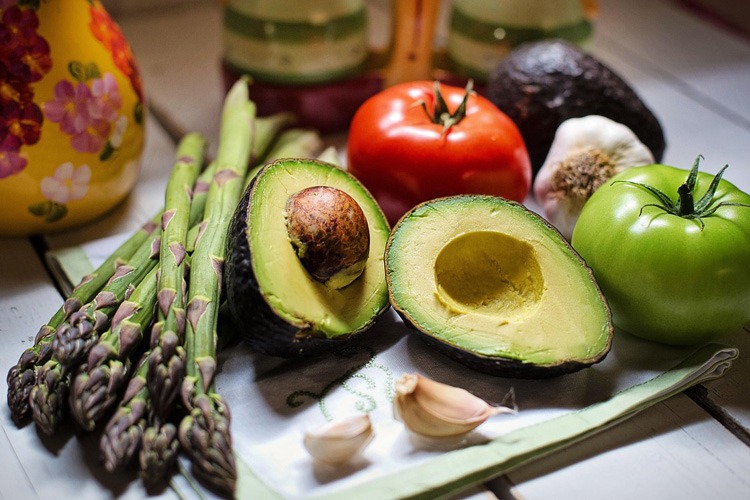
- Boost Nutrient Density: Since calorie needs may decrease with age, select nutrient-rich foods like dark leafy greens, colorful fruits, and fortified cereals when needed.
- Increase Fiber: Add whole grains (such as oatmeal and brown rice) and vegetables to support digestion and reduce disease risk.
- Stay Hydrated: Drink fluids regularly throughout the day, even if you don’t feel thirsty.
- Support Bone Health: Ensure adequate calcium and vitamin D from low-fat dairy, fortified soy beverages, or leafy greens.
- Watch Sodium and Sugar: Reduce salt by using herbs and spices, and limit foods high in added sugars and low in nutrients.
You can create meals from nutritious foods and the foods you love—just focus on the right portions for you. Simple changes, like switching a soda for water or choosing whole grain bread instead of white, can make a meaningful difference. Balance and moderation are key to long-term health.

Practical Nutrition Tips For Older Adults
Healthy eating doesn’t have to be complicated. Following simple, practical strategies can make it easier to get the nutrients your body needs. The U.S. Department of Agriculture’s MyPlate guidelines provide a helpful framework for building balanced meals.
- Eat Enough Protein Throughout the Day: Include protein at every meal to help maintain muscle strength and support overall health.
- Eat a Variety of Foods: Choosing foods from all food groups helps ensure you’re getting a wide range of essential nutrients.
- Focus on Key Nutrients: Pay special attention to nutrients that are especially important as we age, such as calcium, vitamin D, fiber, potassium, and vitamin B12.
- Drink Water Often: With age, the sense of thirst may decrease. Don’t wait until you feel thirsty—make hydration a daily habit.
- “Eat the Rainbow”: Choose a variety of brightly colored fruits and vegetables to maximize vitamins, minerals, and antioxidants.
- Keep Meal Prep Simple: If cooking feels challenging, use pre-cut, frozen, or low-sodium canned fruits and vegetables to make preparation easier.
- Make Meals Social: Eating with friends or family can improve appetite, boost mood, and make mealtimes more enjoyable.
- Practice Food Safety: Discard foods with unusual odors, avoid raw or undercooked meats and eggs, and store leftovers properly.
- Review Medications: Some medications can affect appetite, digestion, or nutrient absorption. Talk with a healthcare provider if you notice changes in eating habits.
Small, consistent habits can make a big difference. By focusing on balance, variety, and simplicity, older adults can support long-term health and independence.
Convenient Ways To Maintain Proper Nutrition For Seniors
Fortunately there are many ways to fill your cupboards with the foods that will keep you healthy and happy if heading to the grocery store is challenging.
- Order groceries online – most grocery stores offer this option and you can have them delivered to your home or pick up at your favorite store.
- Consider a meal delivery service – meals that require no prep can be delivered through services such as Hello Fresh, Blue Apron, Home Chef and more.
- Make your budget go further with programs like Meals on Wheels, local food banks and/or the Supplemental Nutrition Assistance Program (SNAP).

In-Home Companion Care Supporting Senior Nutritional Needs
Additional support is available if grocery shopping or meal preparation becomes overwhelming. In home care services such as Rhythms Home Care can help seniors continue to receive the nutrition and support they need.
Our experienced team members provide transportation, assist with grocery shopping, and help with meal planning and preparation. They also offer a wide range of elderly companion care and medical care services, including prescription pickup and transportation to medical appointments.
With more than 25 years of experience, Rhythms Home Care supports individuals whether they live at home, in an active adult community, or in a senior living community.
Please call us at 303.625.6950 for additional information or contact us